
What Is a Brachycephalic Dog and Cat?


If you have a furbaby with a flat face, like a Pug or a Persian cat, you might have heard the term “brachycephalic” before. But what is brachycephalic? Why does it matter, especially in the context of travel and relocation?
Understanding this condition can help you take better care of your furry friend while ensuring their safety during trips.
In this guide, we will explain what brachycephalic is, highlight the breeds commonly affected by the condition, discuss related health concerns, and provide practical advice for travelling safely with brachycephalic pets.
Let’s get started!
What is brachycephalic?
Brachycephalic is a genetic trait characterised by a shortened skull and flattened face. The word itself originates from Greek roots: brachy, meaning “short,” and cephalic, meaning “head.”
Unlike a disease, it is a structural condition that affects the shape of the skull and jaw in certain breeds.
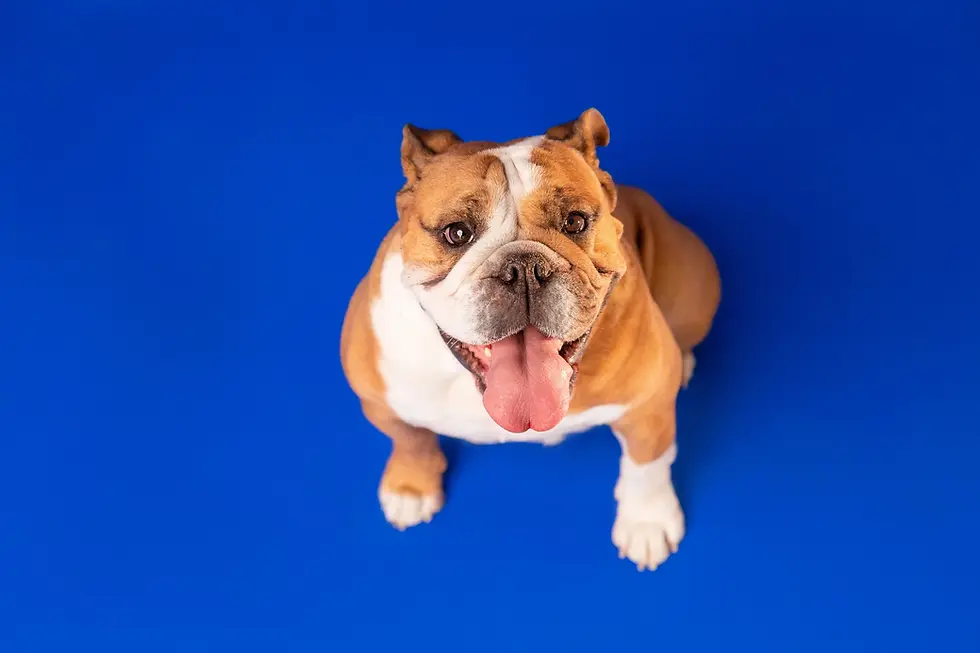
This facial structure results in distinctive, often endearing looks, those cute snub noses and large, round eyes that many pet lovers adore. However, this flat face shape also means the nasal passages and airways are compressed, which can cause significant health and breathing challenges.
Which Breeds Are Brachycephalic?
Brachycephalic is most common in specific dog and cat breeds, especially those that have been selectively bred for their appearance.
Common Brachycephalic Dog Breeds
Pug
English Bulldog
French Bulldog
Shih Tzu
Boston Terrier
Boxer
Pekingese
Common Brachycephalic Cat Breeds
Persian
Himalayan
Exotic Shorthair
These breeds are incredibly popular worldwide for their unique appearance and friendly personalities; however, their skull shape affects their ability to breathe efficiently, particularly under stress or in high temperatures.

Health Concerns Associated With Brachycephalic
What is brachycephalic? While brachycephalic breeds give furbabies their signature look, it also comes with potential health issues that owners must be aware of, especially when travelling or changing environments.
The most critical health concern is Brachycephalic Obstructive Airway Syndrome (BOAS).
This condition refers to a set of upper airway abnormalities that lead to breathing difficulties. Because the airways are narrower, airflow is restricted, making it harder for these cats or dogs to breathe comfortably.
Here are several things you need to know:
Common Symptoms
Loud, laboured breathing or snoring
Gagging or choking sounds
Exercise intolerance and fatigue
Overheating, especially in warm weather
Collapse or fainting in severe cases
Other Related Health Issues
Eye problems due to shallow eye sockets
Dental crowding due to shortened jaws
Skin fold infections around the face
Heatstroke risk because of impaired cooling via panting
If your furbaby is indeed brachycephalic, regular veterinary check-ups are essential to monitor these risks above. Some furbabies might even require surgical procedures to improve airflow, such as widening the nostrils or shortening the soft palate.
Why Understanding What Is Brachycephalic Is Crucial for Pet Travel
Travelling with a furry family is exciting but can be stressful, especially for brachycephalic breeds. Their unique anatomy makes them more vulnerable during transport, whether by air, car, or other means, including:
1. Air Travel Challenges
Flat-faced pets often have restricted airways, making air travel significantly riskier for them. To ensure their safety, many airlines enforce strict regulations and some do not allow brachycephalic breeds to fly at all, especially on specific routes or during warmer months.
Because changes in air pressure, temperature, and humidity can worsen breathing difficulties, airlines take extra precautions or altogether prohibit these pets from flying under specific conditions to prevent heat stress or medical emergencies.
But if you are determined to bring your brachycephalic companion along on your next journey,
Global Paws can help. Through the IPATA BOAS (Brachycephalic Obstructive Airway Syndrome) program, we offer tailored travel solutions designed explicitly for flat-faced breeds.
For more details or expert guidance, please contact us today.
2. Heat Sensitivity
Brachycephalic pets do not cool down as efficiently as other breeds. Travelling during hot seasons or through warm climate zones increases the risk of heatstroke, which can be life-threatening.
3. Airline Policies Regarding Brachycephalic Pets

Many major airlines have specific guidelines or outright bans on transporting brachycephalic breeds in cargo.
For example:
United Airlines prohibits brachycephalic dogs from flying in the cargo hold.
Delta Airlines restricts these breeds seasonally or to in-cabin travel only.
Qantas enforces a ban during the hotter months.
Always check airline policies before booking and consider working with a pet relocation specialist who understands these nuances, like Global Paws.
Tips for Safe Travel With Brachycephalic Pets
If you are planning to travel with a brachycephalic pet, these tips will help keep your furry friend safe and comfortable:
Vet Check-Up Before Travelling: A thorough health exam is essential to ensure your furbaby is fit to travel. Discuss any breathing concerns and consider a fitness certificate if required by airlines.
Choose the Right Carrier: Use a well-ventilated, IATA-compliant travel crate sized for your furbaby.
Travel During Cooler Hours or Seasons: Plan flights for early morning or late evening to avoid heat. Avoid the summer months when possible.
Opt for Direct Flights: Minimise travel time and avoid stressful layovers that prolong the journey.
Stay Hydrated: Bring water and encourage your furbaby to drink plenty of it before and after the trip.
Avoid Overexertion Before Travel: Limit exercise to reduce respiratory stress.
Consider Cabin Travel: If your furry family size allows, travelling in the cabin with you is usually safer than cargo.
Use a Professional Pet Relocation Service: Experts can coordinate all aspects of your furbaby's travel, including vet checks, documentation, and special airline requirements, reducing stress and risk.
Also Read: Pet Travel Safety Tips You Need to Know.
Knowing what is brachycephalic means more than recognising a flat face; it means understanding your furry friend's unique needs and risks. With the proper care and preparation, brachycephalic pets can travel safely and happily.
If you are planning a trip or relocation with your brachycephalic furbaby, contact Global Paws today for a personalised consultation.
About Global Paws:

Global Paws is a family-owned business with over 20 years of experience in pet travel and relocation. We know your pets are part of your family, and we care for them like they are part of ours. As proud members of the International Pet & Animal Transport Association (IPATA) and certified by the International Air Transport Association (IATA) Live Animals Regulations (LAR), we’re committed to making sure they travel safely and comfortably.
What sets us apart is the extra care we provide. Every pet is treated like family, and we make sure their journey is safe and stress-free, no matter where they are headed.
We believe every pet deserves a first-class experience, and we are here to make sure they are comfortable from start to finish. Our experience, backed by IPATA and IATA, gives you peace of mind knowing your pet’s journey is in safe, loving hands.
Then, are you ready to give VIP treatment for your furry friend? Visit our website to book your pet’s dream vacation today!


Comments